
Heating oil vs kerosene: which one your site needs
Heating oil and kerosene are both distillate fuels that keep buildings, shops and jobsites warm in winter, and they can look alike in a sample jar. They are not interchangeable in every heater, though, and the right choice starts with what your equipment maker calls for and where your tank sits.
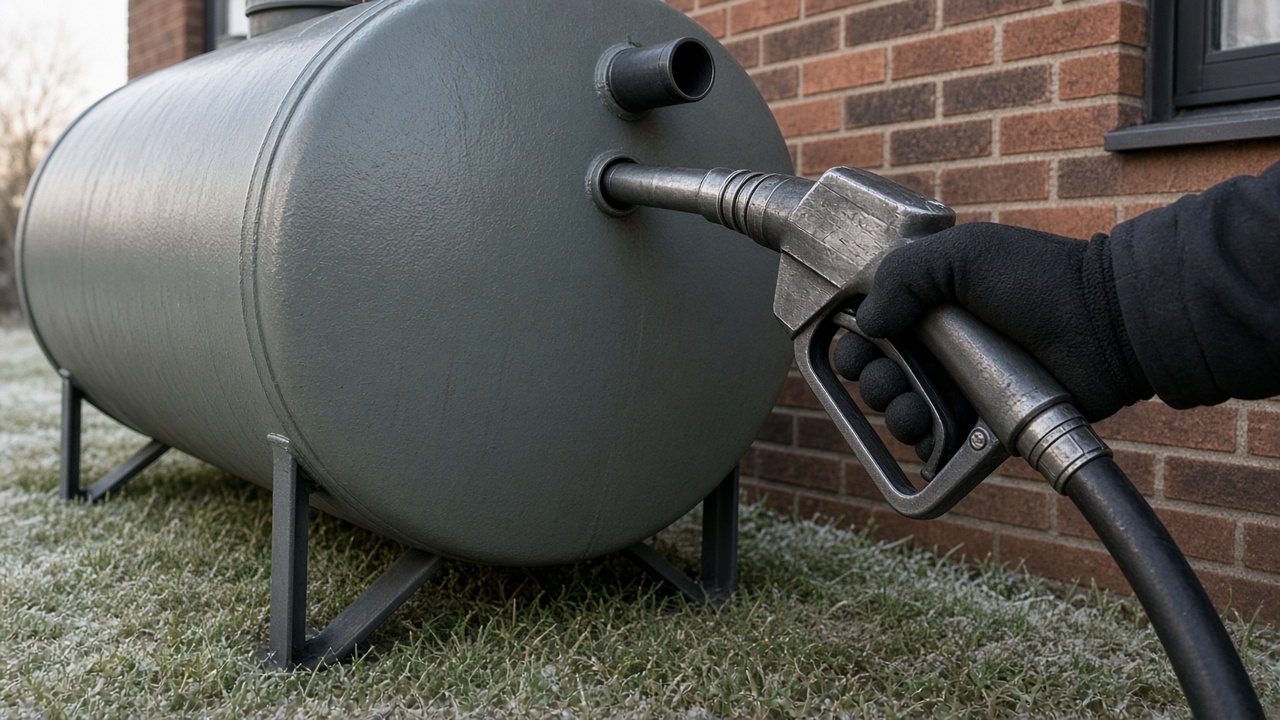
Two fuels from the same family
Both fuels are middle distillates. Kerosene is the lighter of the two and is sold in grades known as 1-K and 2-K. The fuel most people call heating oil is No. 2 fuel oil, a heavier product made for the atomizing burners in many furnaces and boilers.
Because kerosene is lighter, it vaporizes more easily and is the fuel many portable and unvented heaters are built around. Heating oil carries a bit more heat per gallon, which is one reason it is the usual choice for boilers and furnaces in larger buildings.
Let the equipment decide
The burner or heater manual is the place to start. Many kerosene heaters call for 1-K kerosene, while most oil-fired furnaces and boilers are set up for No. 2 heating oil. Some equipment lists more than one approved fuel, and some does not.
Do not switch fuels on your own. A heater built for kerosene may smoke, soot up or run unsafely on heavier oil, and a burner tuned for heating oil may need adjustment for a lighter fuel. Ask your heating contractor before you change products.
Cold weather and outdoor tanks
Heavier fuels thicken as temperatures drop, and an outdoor heating oil tank or a long exposed fuel line can have trouble in a hard freeze. That is one reason some buyers in cold areas use kerosene or a blend for outdoor tanks.
Ask your distributor whether they offer a winter blend or treatment for heating oil, and whether a blend is right for your tank and burner. Our guide to preventing diesel gelling covers the same cold-weather basics for stored diesel.
Storage, ordering and paperwork
Keep each fuel in its own clearly labeled tank with its own fill and pump. Never put kerosene into a tank of a different product unless your distributor and equipment maker agree, and check with your fire marshal and insurer on storage rules.
When you request a quote, name the product and grade, the tank size and location, and your usual gallons per fill. The delivery ticket should show what was delivered, so keep those tickets with your tank records.
Questions
Can I burn kerosene in a heating oil furnace?
Sometimes, but only when the furnace or burner maker allows it and the burner is set up for it. Check the manual and ask your heating contractor before you switch, since the wrong fuel can cause poor combustion and soot.
Is heating oil the same as dyed diesel?
They are similar distillates, but they are sold for different uses and can carry different specifications and taxes. Order the product your burner calls for, and ask the distributor which product they actually deliver.
Does Bulk Fueling list heating oil or kerosene prices?
No. Bulk Fueling is a free directory and does not publish fuel prices. Search your site ZIP with the heating oil or kerosene filter, compare the profiles that fit, and request quotes.